The Problem No One Expects a Giant to Have
Harley-Davidson is one of the most universally recognized brands in the world.
For decades, Harley wasn’t just selling motorcycles — they were selling an identity, a lifestyle, and a sense of freedom that no competitor could match.
And yet, even a brand of Harley’s magnitude began to feel pressure from competitors targeting younger riders, global markets, and shifting cultural values. The issue wasn’t engineering or product performance. Harley still built exceptional machines.
The real threat was perception. Harley had become associated with an older demographic, a narrower identity, and a nostalgic picture of motorcycling that wasn’t connecting with new generations.
Competitors weren’t stealing Harley’s customers by building better bikes.
They were doing it by building more relevant identities.
This is the branding mistake that catches legacy companies off guard: you can lose the culture long before you lose the customer. And that’s exactly why Harley-Davidson had to evolve.
The Soul of Harley Was Still Strong — The Story Was Not
Inside Harley-Davidson, the culture hadn’t faded at all. If anything, the internal values were as alive as ever: freedom, rebellion, brotherhood and belonging, pride in craftsmanship, and the emotional experience of the open road.
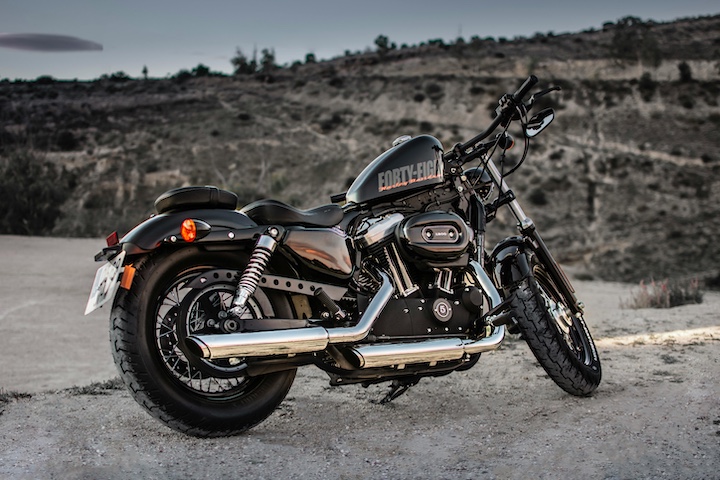
But none of that was coming through in their marketing. Their brand had become overly product-centric: too much chrome, too many specs, too many angles of hardware, and not enough humanity.
It was all bike, not rider. And that left an opening in the market — one competitors quickly filled.
Harley’s real challenge wasn’t a decline in quality. It was a disconnect between their internal identity and external brand expression. This is where true rebranding begins: not with redesigning the product, but with realigning the perception.
The Rebrand: Harley Stopped Selling Bikes and Started Branding the Rider
Harley-Davidson’s brand shift was subtle to the untrained eye but enormous in strategic impact. They didn’t redesign the motorcycle. They redesigned the meaning of riding one.
1. The imagery changed: from machines to humans
Harley moved away from close-up glamor shots of pipes, tanks, and chrome.
Instead, they showcased: real riders, diverse communities, tattoos – leather – denim – grit, sunsets – highways – and moments of freedom, and riders living their story, not Harley’s story.
This repositioning made the rider, not the motorcycle, the hero. This shift shows how Harley-Davidson evolved their brand identity to connect with younger audiences and differentiate from competitors using lifestyle-based marketing, not product-based marketing.
2. They expanded what a Harley rider looks like
The rebrand intentionally welcomed: young riders, women, urban riders, first-time motorcyclists, and global communities. This was a massive cultural shift. Harley didn’t just update visuals; they updated the definition of who belongs in the brand.
3. They embraced lifestyle, not luxury or legacy
Harley returned to its emotional roots: independence, rebellion, personal expression, choosing your own path, and finding your people. These aren’t product benefits. They’re identity promises. And no competitor can knock off a promise rooted in identity.
4. They reintroduced heritage as a living culture, not nostalgia
Harley acknowledged their legacy, but instead of leaning on the past as a crutch, they framed it as: authenticity, loyalty, craftsmanship, and a shared lineage. The past wasn’t the point — it was the foundation for what the rider becomes.
Why This Rebrand Worked: Harley Competed on Culture, Not Horsepower
This move didn’t just keep Harley relevant. It re-established them as a cultural brand, not a vehicle manufacturer.
Competitors can make fast bikes. Competitors can make sleek bikes. Competitors can undercut prices and over-deliver on tech. But competitors can’t recreate the soul of Harley-Davidson. It’s not mechanical. It’s tribal. This is what great branding does: it claims territory no competitor can imitate.
The Strategic Insight: Harley Didn’t Rebrand the Product — They Rebranded the Person
This is the piece many businesses miss. Harley didn’t change what they sell. They changed what it means to use what they sell. They rebranded the identity of the rider: Who am I when I ride a Harley? What does it say about me? What feeling do I get? What tribe do I belong to? What philosophy am I living out?
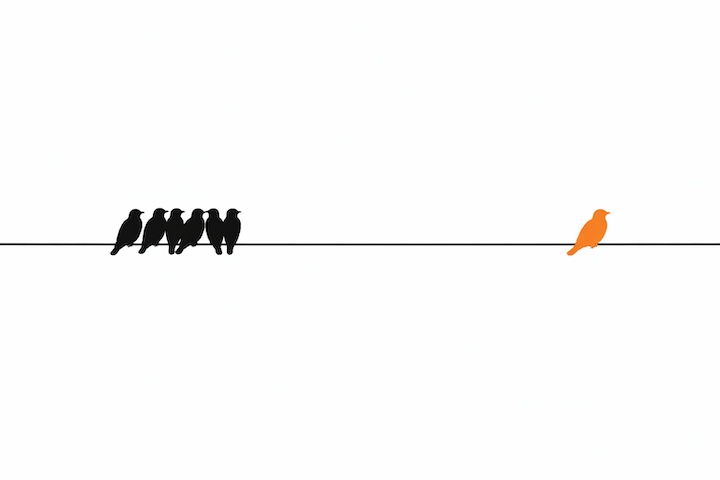
The motorcycle became the artifact. The rider became the story. This is separation. Not on price. Not on features. On meaning. And meaning is a competitive moat.
What This Teaches Every Founder, Business Owner, and Brand Leader
Most businesses think a rebrand is about logos, colors, sites, and fonts. It’s not. A rebrand is about aligning your brand with the identity your customer wants to step into.
Harley mastered this. Their rebrand achieved three things every brand should aim for: clarified their core identity, reclaimed differentiation in a crowded market, and reconnected emotionally with the next generation of buyers. No product redesign required.
Northbound Takeaway
If your brand no longer reflects the business you’ve become — or the customers you want to attract — you may be standing at your own Harley moment. A rebrand isn’t a reset. It’s recognition. A chance to let the market finally see who you really are.
And in the process of uncovering the soul of your business to attract the right customers, you often rediscover parts of yourself as well. The same truths that create connection and separation in the market also reignite the spark that made you start in the first place.
Our Northbound Blog exists to guide that journey. Build a brand that creates natural separation.
Sign up to receive our free 12-Point Brand Health Checklist (PDF) sent to your inbox!
Because a brand review isn’t just for your audience; it’s just as much for you.
When the world gets noisy (and negative), this simple check-in reconnects you to your soul; why you started your business in the first place, and what you really offer in the market that you were gifted with from the start.